

DISTINCTIVE TRAITS
Product Outline
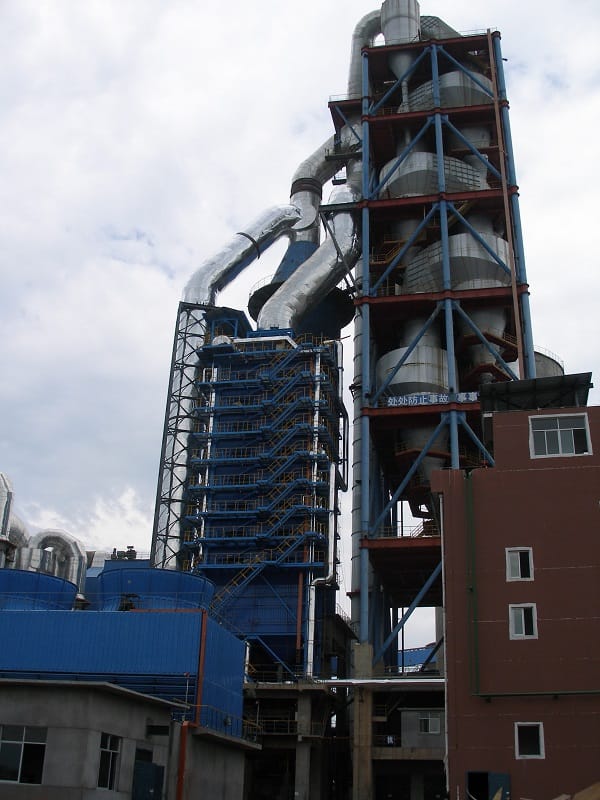
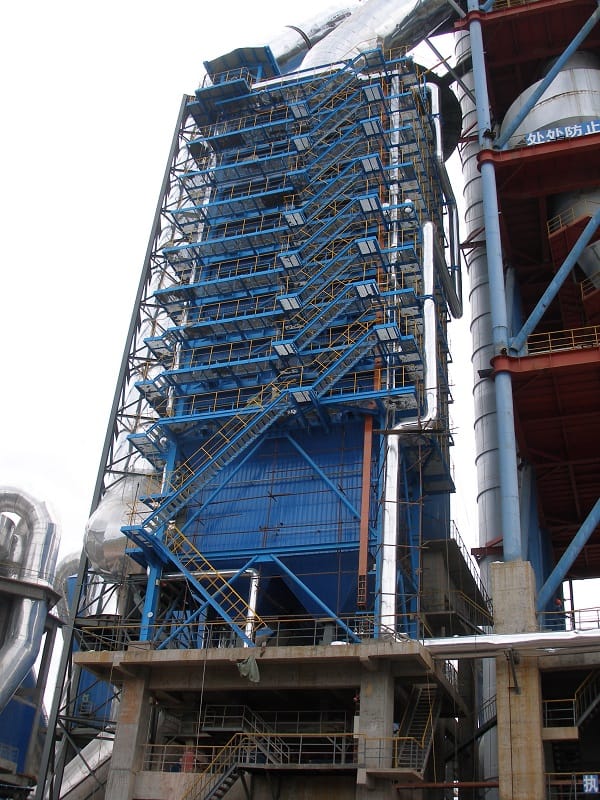
HBG has begun to design the heat recovery boiler for cement kiln since 2002. The first heat recovery boilers (including kiln head and rear) were put into use in 2003, then succeeded in generating electricity and acceding to the net, and scores of other units are being in use up to now. The product described herein is the partly optimized design on the basis of the past experience.
Background
This system is specifically designed as a Waste Heat Recovery Boiler for the kiln head’s clinker cooler in cement production, commonly referred to as the AQC (Air Quenching Cooler) Boiler. It works in conjunction with the SP (Suspension Preheater) Boiler, which captures waste heat from the kiln rear. Together, they form a complete waste heat recovery system for cement manufacturing plants.
Energy Efficiency
Advancements in cement clinker calcination technology have significantly enhanced energy efficiency within the industry. Historically, energy consumption for clinker production ranged between 4600–6700 kJ/kg. With waste heat recovery integrated into the process, this has now been reduced to approximately 3000–3300 kJ/kg.
Case Study
Despite these improvements, a considerable amount of low to medium temperature waste heat (below 450°C) continues to be lost—particularly from the kiln head’s clinker cooler and the preheater at the kiln rear, accounting for around 35% of total energy consumption in the system. This makes it imperative for cement producers to implement AQC and SP boilers to recover this untapped heat, significantly reducing energy consumption and enhancing overall plant competitiveness.